
A radon test can feel like a simple pass-or-fail moment: set out the test, wait for the result, and read the number. But radon levels are not fixed. A home can test lower during one season and higher during another, even when nothing appears to have changed.
That does not mean the first test was useless or the second test was wrong. It means each result is a snapshot of the conditions in the home during that testing period. Understanding why readings change and knowing when to test again helps homeowners make better decisions about the air their families breathe.
Why can radon levels change?
Radon is a naturally occurring radioactive gas that can enter a home from the soil beneath it. Because air pressure, weather, ventilation, and the way a home is used all change over time, the amount of radon drawn indoors can change too.
Weather and seasonal conditions
Changes in temperature, wind, rain, frozen soil, and barometric pressure can affect how air moves through the soil and the home. Heating a house during cold weather can also increase the pressure difference between the living space and the ground. That is one reason a short-term result should not be treated as a permanent description of the home.
The U.S. Environmental Protection Agency recommends avoiding short-term testing during unusually severe storms or periods of unusually high winds. When homeowners want a better picture of their year-round exposure, a long-term test lasting more than 90 days can be especially useful.
Changes to the home
Remodeling can change airflow and pressure inside a house. Replacing windows, adding insulation, altering heating or cooling equipment, finishing a basement, sealing cracks, or building an addition may all affect how air enters and leaves the structure. Even improvements that make a home more comfortable or energy-efficient can be a good reason to test again.
Changes in how the basement is used
A lower level that was once used only for storage may later become a bedroom, playroom, office, or family room. If people begin spending more time on the lowest level, testing there becomes more important because radon levels are often evaluated on the lowest level that is regularly occupied.
Testing conditions and placement
A radon device needs to be placed correctly and left undisturbed. Open windows, exterior doors, fans, high humidity, and a poor testing location can influence short-term measurements. Follow the device instructions closely, place the test in a regularly used room on the lowest lived-in level, and avoid kitchens, bathrooms, drafts, direct sunlight, and exterior walls.
When should you retest your home?
The EPA recommends retesting when a previous test is not recent, with two years given as a practical example. Retesting is also wise whenever conditions in the home have changed. Consider another test:
- At least every two years, especially if your last result was near the level where action is recommended
- After finishing or beginning to regularly use a basement or lower-level room
- After major renovations, foundation work, air-sealing, window replacement, or HVAC changes
- Before buying or selling a home, particularly when the existing result is old or testing details are unclear
- After installing a radon mitigation system, and then periodically to confirm the system continues to keep levels low
- If the system monitor indicates a problem or you notice the mitigation fan is no longer operating
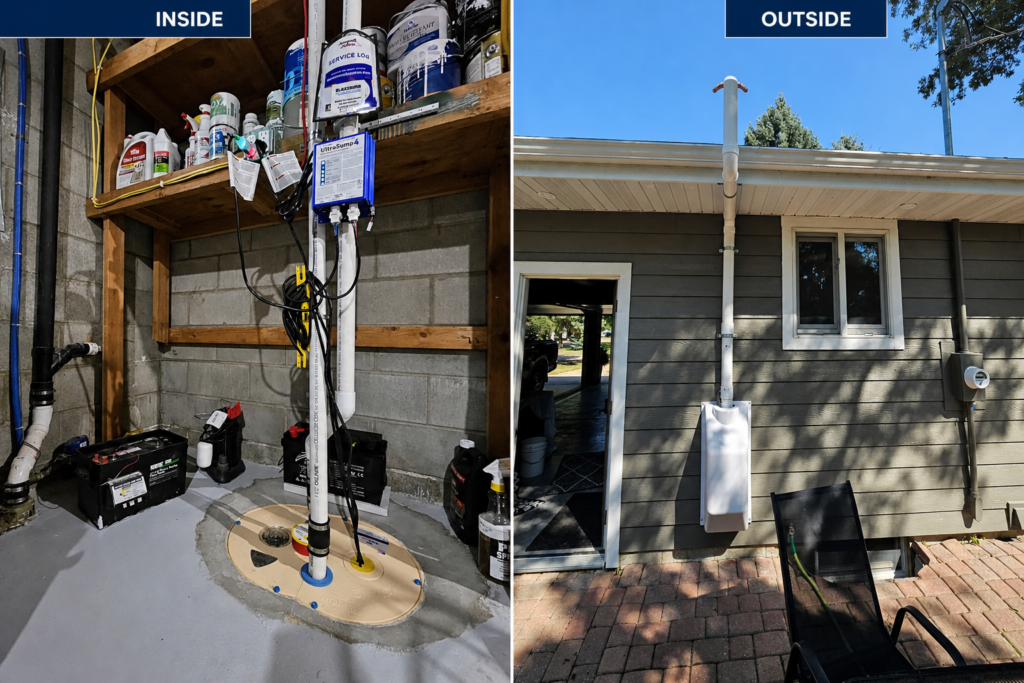
A mitigated home still needs follow-up testing. See how testing and mitigation worked together in this completed Blackburn project in Clear Lake, South Dakota. The EPA advises retesting at least every two years after mitigation to make sure radon levels remain low.
What does the radon number mean?
Radon is measured in picocuries per liter of air, written as pCi/L. The EPA recommends taking action to reduce radon when the result is 4 pCi/L or higher. Because there is no known safe level of radon exposure, the EPA also recommends considering mitigation when results fall between 2 and 4 pCi/L.
If a short-term test is elevated, the next step depends on the result and the testing circumstances. A second short-term test or a long-term test may be recommended to help confirm the home’s average radon level. Very high results call for quicker follow-up. The goal is not to chase a perfect number from day to day, but to understand the home’s typical exposure and reduce it when needed.
Testing is the only way to know
Radon has no color, odor, or taste. Two homes next door to each other can have different readings, and a neighbor’s low result cannot tell you what is happening in your home. Testing is the only reliable way to know the radon level in the space where your family lives.
If you use a do-it-yourself test, follow the instructions exactly and send it to the laboratory promptly. For a real-estate transaction or when you want help interpreting unusual results, a qualified radon professional can conduct the test and explain the next steps.
What if the result is high?
Elevated radon can be reduced. Blackburn’s homeowner guide to radon mitigation systems explains the available approaches in more detail. A common mitigation approach uses a pipe and fan to draw radon-containing soil gas from beneath the home and safely vent it outdoors before it enters the living space. The right design depends on the foundation, the home, and the test results.
After installation, a follow-up test confirms how well the system is working. Homeowners should also check the system’s warning device or pressure indicator regularly and continue periodic testing. A mitigation system is designed to provide ongoing protection, and testing verifies that protection over time.
Make radon testing part of routine home care
Homeowners already check smoke alarms, change furnace filters, and watch for water or foundation concerns. Radon deserves a place on that same home-maintenance list. A test is simple, but the information it provides can guide an important health and home-improvement decision.
Blackburn Foundation Repair helps homeowners across South Dakota, Nebraska, and Wyoming with professional radon testing and radon mitigation solutions. Homeowners who need a starting point can request a free radon test kit. If your last test is more than two years old, your basement use has changed, or a recent result was elevated, contact Blackburn Foundation Repair to discuss the right next step for your home.
Sources: U.S. EPA guidance on retesting; U.S. EPA radon action-level guidance; U.S. EPA guidance for mitigation systems.