

Your sump pump runs quietly in the background, keeping your basement dry through spring snowmelt, summer thunderstorms, and everything in between. But like any mechanical system, it has a limited lifespan, and the worst time to discover yours has failed is when water is already rising.
Schedule your free sump pump inspection today or call 1-800-392-3389.
Knowing the warning signs of a failing sump pump, understanding your replacement options, and planning the upgrade before an emergency strikes can mean the difference between a dry basement and serious water damage. This guide walks you through exactly what to look for, when to act, and which professional-grade systems deliver the best long-term protection for homes across South Dakota, Wyoming, and Nebraska.
Key Takeaways
- Most sump pumps last 7 to 10 years — if yours is approaching that range, schedule an inspection before the next storm season.
- Strange noises, frequent cycling, and visible rust are the top warning signs that replacement is near.
- South Dakota’s freeze-thaw cycles and spring snowmelt put more strain on sump pumps than most regions, often shortening their lifespan.
- A battery backup system is essential, not optional — power outages during severe storms are when your pump is needed most. Learn more in our complete battery backup sump pump guide.
- Upgrading to a multi-pump system like the TripleSafe provides three layers of protection that a single pump simply cannot match.
How Long Do Sump Pumps Last?
The average sump pump lasts between 7 and 10 years with proper maintenance. However, that number is not set in stone. Several factors determine how long your specific pump will hold up:
- Usage frequency: Pumps in homes with high water tables or poor exterior drainage run more often and wear out faster. A pump that cycles dozens of times per day during wet seasons faces significantly more mechanical stress than one that activates only occasionally.
- Pump quality: Inexpensive hardware-store pumps with plastic housings and lightweight impellers typically fail sooner than commercial-grade cast-iron models like the Zoeller pumps installed by Blackburn Foundation Repair.
- Water conditions: Hard water, sediment-heavy groundwater, and iron-rich water (common in parts of South Dakota and Wyoming) accelerate corrosion and can clog impellers.
- Power stability: Frequent power surges and outages stress the motor. Homes in rural areas of the tri-state region that experience regular outages during storms may see shorter pump life without proper surge protection.
- Maintenance habits: Annual testing, pit cleaning, and check valve inspection can add years to a pump’s life. Neglecting maintenance is the fastest way to shorten it.
If you are unsure how old your sump pump is, a professional inspection can assess its current condition and estimate remaining useful life. Blackburn Foundation Repair offers free inspections across South Dakota, Wyoming, and Nebraska.
8 Warning Signs Your Sump Pump Needs Replacing
Sump pumps rarely fail without warning. Recognizing these signs early gives you time to plan a replacement on your schedule rather than dealing with an emergency during a storm.
1. Strange or Loud Noises
A healthy sump pump should produce a low, steady hum when it activates. If you hear grinding, rattling, screeching, or thumping sounds, something is wrong internally. Grinding noises often indicate a damaged or worn impeller. Rattling can mean loose components inside the housing. A high-pitched whine typically points to a failing motor bearing.
These sounds tend to get progressively worse. What starts as a subtle change in tone can escalate to a pump that seizes completely. If your pump sounds different than it did when it was new, do not ignore it.
2. The Pump Runs Constantly or Cycles Too Frequently
A properly sized sump pump should activate when water reaches a certain level, pump it out, and then shut off. If your pump runs continuously or cycles on and off every few minutes, it signals a problem.
Constant running may mean the pump can no longer keep up with the water volume entering your basement. This is especially common in South Dakota during spring snowmelt when the ground is still frozen near the surface but water is flowing underneath. Frequent cycling is often caused by a malfunctioning float switch, but it can also indicate the pump is undersized for your home’s needs.
Either scenario puts extreme stress on the motor and dramatically shortens its remaining lifespan.
3. Visible Rust or Corrosion
Inspect your sump pump housing, discharge pipe, and pit liner regularly. Rust on any component is a red flag. While surface discoloration can sometimes come from iron bacteria in the water (common in our region’s groundwater), actual corrosion on the pump housing or impeller compromises structural integrity.
Once corrosion takes hold, it accelerates. A pump with visible rust on its housing is in the final stage of its useful life and should be scheduled for replacement before the next wet season.
4. The Pump Vibrates Excessively
Some vibration during operation is normal. Excessive shaking, however, usually means the impeller is damaged or has become unbalanced, often from sucking in hard debris over the years. A bent or chipped impeller cannot be repaired — it is a permanent condition that reduces pumping efficiency and puts additional stress on the motor.
If your pump is shaking noticeably during operation, it is time for an upgrade, not a repair.
5. Water Remains in the Basement After the Pump Runs
The entire purpose of a sump pump is to remove water. If you notice damp spots on the basement floor, standing water near the pit, or a musty smell even after the pump has been running, the pump is no longer doing its job effectively. If you are also noticing signs of water in your basement beyond the sump area, a comprehensive waterproofing evaluation may be needed.
This can happen because the pump has lost capacity due to wear, the discharge line is partially clogged or frozen, or the system was never properly sized for your home’s water load. Whatever the cause, persistent moisture after pump cycles means it is time for a professional evaluation.
6. The Pump Will Not Turn On
This is the most alarming sign, and it usually shows up at the worst possible time. If you pour water into the sump pit and the pump does not activate, check the power supply and float switch first. If those are functioning and the pump still will not start, the motor has likely burned out.
A pump that fails to activate is an emergency waiting to happen. If your basement relies on a sump pump for water management, a non-responsive unit should be replaced immediately.
7. Your Pump Is Over 7 Years Old
Even if your pump seems to be working fine, age alone is a risk factor. Internal seals deteriorate. Bearings wear. Electrical connections corrode. A pump that has been running for 7 to 10 years has undergone thousands of activation cycles, and each one takes a toll on its components.
Proactive replacement of an aging pump — on your schedule, before a crisis — is always better than reactive replacement during a storm.
8. You Have Had to Repair It More Than Once
If you have called a service technician to repair your sump pump multiple times in the past two years, the pattern is clear. Frequent repairs are a sign that the pump is reaching end-of-life, and the investment in those repairs is better directed toward a new, reliable system.
Why South Dakota, Wyoming, and Nebraska Homes Face Greater Sump Pump Demands
Climate plays a significant role in how hard your sump pump works and how long it lasts. Homes in our tri-state service area face conditions that are particularly demanding on basement water management systems.
Spring Snowmelt: The Annual Flood Threat
South Dakota averages 40 to 60 inches of snowfall annually, with some areas in the Black Hills receiving over 100 inches. When temperatures rise in March and April, that accumulated snow melts rapidly. The ground is often still partially frozen, which prevents the meltwater from absorbing into the soil. Instead, it flows along the surface and finds its way into basements through foundation walls, floor joints, and cracks.
This creates an intense period of heavy sump pump usage. In many South Dakota homes, sump pumps run almost continuously during peak snowmelt, sometimes pumping hundreds of gallons per day. This annual stress test is where aging or undersized pumps fail most often.
Freeze-Thaw Cycles and Discharge Line Issues
Our region experiences dramatic temperature swings, especially during late winter and early spring. Daytime temperatures can climb above freezing while nights plunge well below zero. These freeze-thaw cycles create two problems for sump pump systems:
Frozen discharge lines: If the line that carries water away from your home freezes, the pump has nowhere to send the water. It runs, builds pressure, and can burn out the motor. Proper discharge line installation with freeze protection is critical in our climate.
Foundation stress: Repeated freezing and thawing of the soil around your foundation can open new pathways for water entry, increasing the load on your sump pump over time. These same forces can cause bowing basement walls, which further compromise waterproofing.
High Water Tables and Clay Soils
Much of eastern South Dakota and parts of Wyoming sit on clay-heavy soils that hold water rather than draining it. Combined with high water tables in many communities, this means sump pumps in our region often handle more water, more frequently than pumps in areas with sandy or well-draining soil.
A pump that would last 10 years in a home with excellent drainage might only last 5 to 7 years in a home built on heavy clay soil with a high water table — which describes a significant portion of homes in the Sioux Falls, Pierre, and Casper areas.
Severe Storm Season
South Dakota and Wyoming experience some of the most intense thunderstorms in the country during summer months. These storms often bring heavy rainfall in short bursts, testing sump pump capacity. They also frequently cause power outages — which is exactly when your pump is needed most. Without a battery backup, a single power outage during a severe storm can result in a flooded basement.
The Upgrade Path: Choosing the Right Professional Sump Pump System
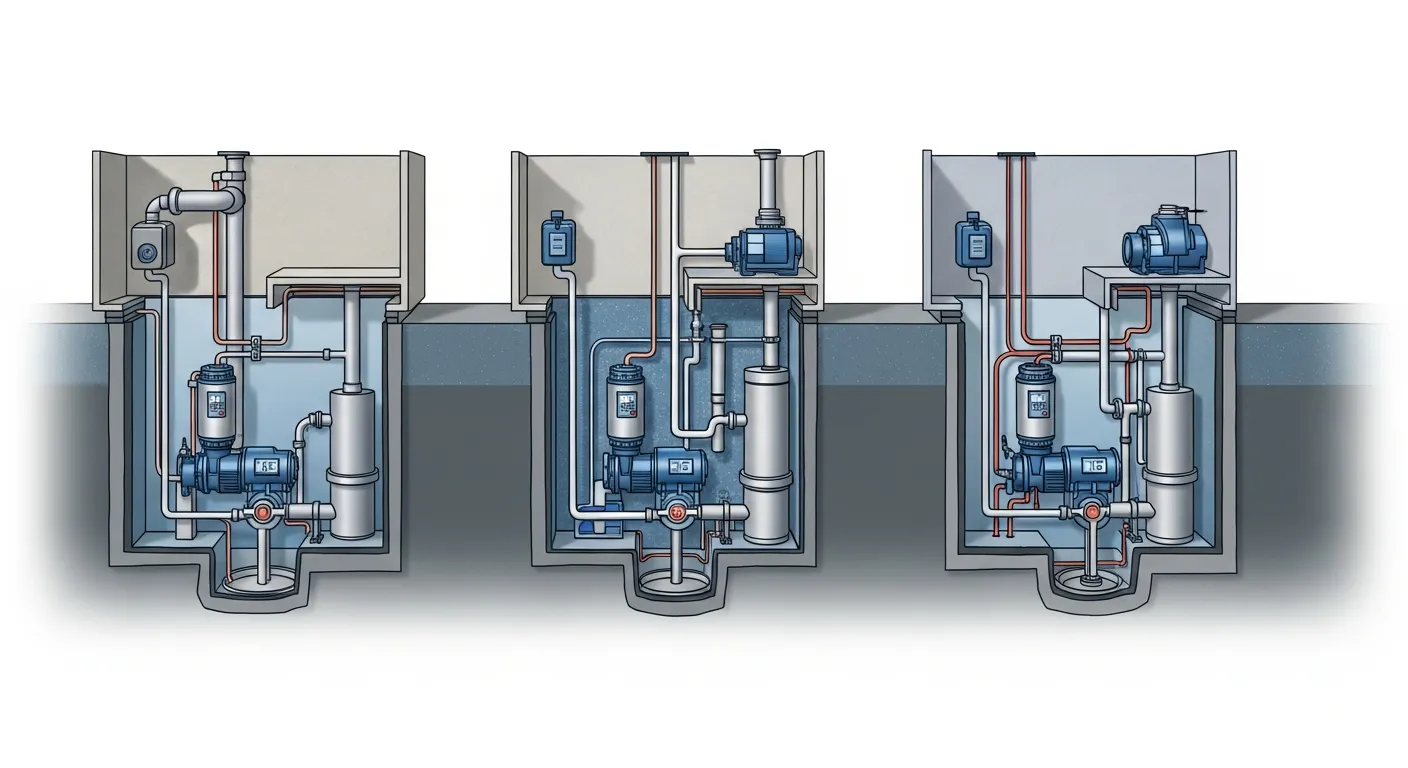
When it is time to replace your sump pump, you have a choice that goes beyond simply swapping out the old unit. Modern professional-grade sump pump systems offer layers of protection that basic hardware-store pumps cannot match. Blackburn Foundation Repair installs three tiers of sump pump systems, each designed to provide increasing levels of protection.
SuperSump Premier: Reliable Everyday Protection
The SuperSump Premier sump pump system is a strong starting point for homes that need dependable water removal. It includes:
- Zoeller 1/3 HP cast-iron pump that moves up to 2,280 gallons per hour — far more powerful than the plastic pumps found at most retail stores
- SuperLiner sump pit liner — a premium airtight design with perforations that collects water efficiently while keeping debris and pests out of the pit
- CleanPump Stand — a patented elevated intake design that lifts the pump off the bottom of the pit, preventing sediment and debris from clogging the impeller
- WaterWatch Alarm — an audible alert that sounds when water levels rise above the intake, giving you early warning if the system is overwhelmed
- One-way floor drain built into the lid that directs plumbing leaks and surface water into the system
- Improved float valve with a linear-motion design for reliable long-term performance
The SuperSump is ideal for homes with moderate water management needs and represents a significant upgrade over basic retail sump pumps.
TripleSafe: The Gold Standard in Basement Protection
For homeowners who want maximum peace of mind, the TripleSafe sump pump system provides three layers of protection in a single unit:
- Primary pump: A powerful Zoeller cast-iron pump handles everyday water removal under normal conditions.
- Secondary pump: A second Zoeller pump activates automatically if the primary pump fails or cannot keep up during heavy water events. This is your first line of backup, and it runs on household power.
- Battery-operated backup pump: The third pump operates independently of your home’s electrical system. During a power outage — the most dangerous time for basement flooding — this pump keeps your basement dry.
The TripleSafe also includes the SuperLiner sump pit liner, which prevents debris from entering the system and provides protection against pest infiltration. It is the most comprehensive sump pump solution available for residential use and is particularly well-suited for homes in South Dakota and Wyoming where power outages during storms are a real and frequent concern.
UltraSump Battery Backup: Essential Storm Protection
The UltraSump battery backup system can be added to an existing sump pump setup or paired with a new SuperSump installation. It provides:
- Up to 11,500 gallons of pumping capacity on a single battery charge — enough to handle extended outages during major storms
- Automatic activation when the primary pump fails or loses power
- Compatibility with SmartSump and other primary pump systems
If upgrading to a full TripleSafe system is not in the immediate plan, adding an UltraSump battery backup to your current pump is one of the most important investments you can make. In our region, where spring storms regularly knock out power, a battery backup is not a luxury — it is a necessity.
Why Battery Backup Matters More Than You Think
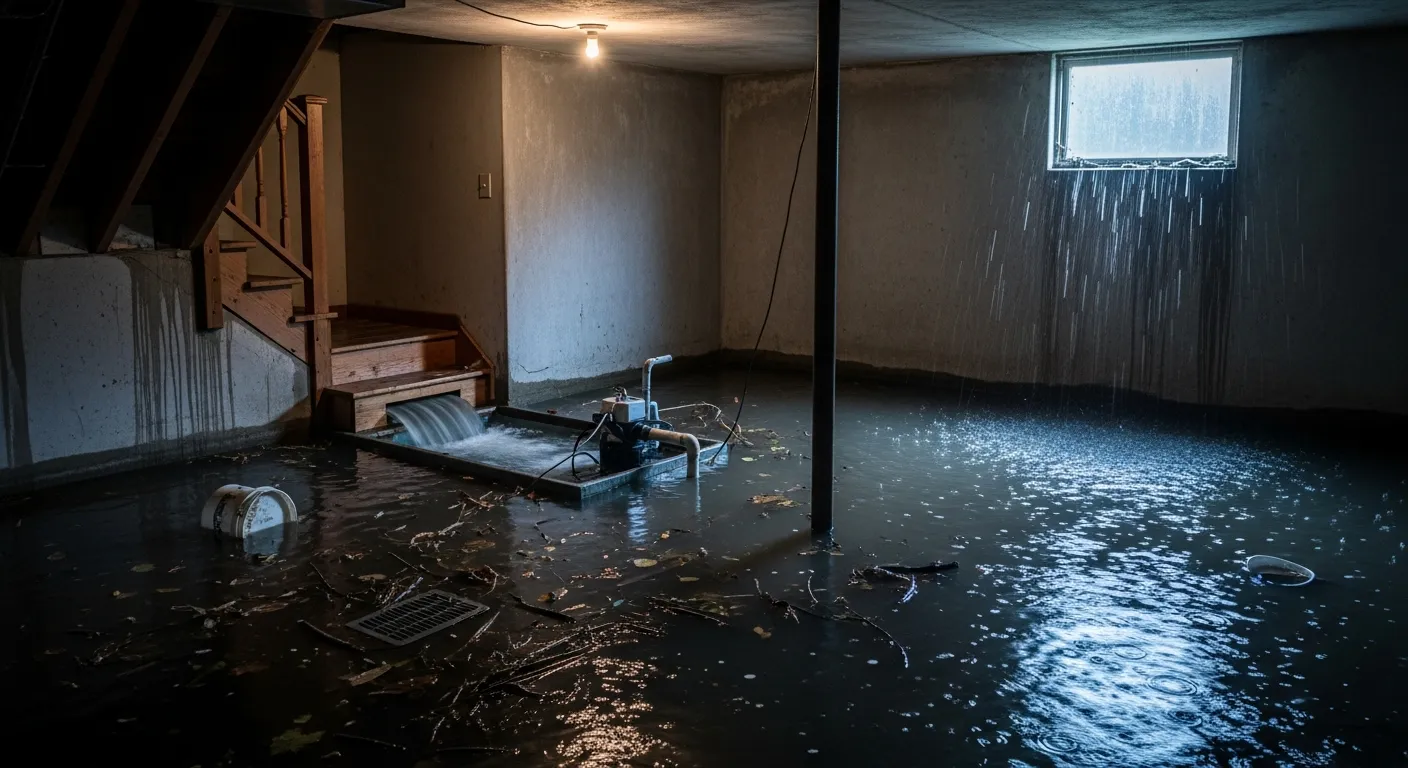
Consider this scenario: A severe thunderstorm rolls through Sioux Falls in June. The rain is coming down in sheets. Your sump pump is working overtime. Then the power goes out.
Without a battery backup, your pump stops immediately. Water continues pouring into the sump pit and, within minutes, begins flooding your basement floor. By the time power is restored — which could be hours or even days during major storms — the damage is done.
According to the Federal Emergency Management Agency (FEMA), just one inch of water in a basement can result in significant property damage, affecting flooring, drywall, stored belongings, and electrical systems. Mold can begin growing within 24 to 48 hours of water exposure.
Battery backup sump pumps eliminate this vulnerability. The TripleSafe system includes battery backup as a built-in component. For existing systems, the UltraSump can be added to provide the same protection.
Every home in South Dakota, Wyoming, and Nebraska that relies on a sump pump should have battery backup. The risk of a power outage coinciding with a heavy rain event is not theoretical — it happens every storm season.
Sump Pump Monitoring: The Next Level of Protection
Beyond the pump itself, modern technology allows you to monitor your sump pump system 24/7 without being home. Blackburn Foundation Repair offers the ShipShape Home Monitoring System, which connects to your sump pump and other basement systems to provide:
- Real-time alerts sent to your phone if water is detected, power goes out, or the pump is not functioning
- Usage tracking that shows how many gallons your pump is moving and how much energy it is consuming
- Maintenance reminders based on actual system performance, not arbitrary calendars
- Professional monitoring by U.S.-based specialists who can coordinate a response if something goes wrong while you are away
For homeowners who travel, own seasonal properties, or simply want peace of mind knowing their basement is monitored around the clock, the ShipShape system turns your sump pump from a silent, unmonitored appliance into a connected, managed system.
When to Schedule Your Sump Pump Replacement
Timing matters when it comes to sump pump replacement. Here is a practical timeline for homeowners in our region:
Fall (September-November): This is the ideal time to replace an aging sump pump. You are ahead of the spring snowmelt season, giving your new system time to be installed and tested before it is needed most. Scheduling is also easier during the fall, as demand for waterproofing services drops after summer storm season.
Late Winter (January-February): If you missed the fall window, late winter is your last chance to replace before spring. This is a more urgent timeline, but there is still time to get a professional installation completed before the March thaw begins.
Spring (March-May): If your pump fails during spring, it is an emergency replacement. Blackburn Foundation Repair responds quickly to emergency calls across our service area, but replacing proactively is always better than replacing reactively.
Avoid replacing in the middle of a crisis. A flooded basement limits your options, raises urgency, and makes the installation process more complicated. Plan ahead.
What to Expect During a Professional Sump Pump Installation
When you schedule a sump pump replacement with Blackburn Foundation Repair, the process is straightforward and typically completed in a single day:
- Free inspection and assessment: A design specialist evaluates your basement, current system, water conditions, and specific needs. This is a diagnostic evaluation to recommend the right system for your home.
- System recommendation: Based on the assessment, your specialist recommends the appropriate sump pump system — SuperSump, TripleSafe, or a custom configuration — along with any additional components like battery backup or discharge line upgrades.
- Professional installation: Certified technicians install the complete system, including the pump, liner, discharge line, check valve, and any backup components. Installation is typically completed within one day.
- System testing: Your new pump is tested thoroughly before the crew leaves. You will see it activate, pump water, and shut off correctly.
- Warranty registration: All Blackburn sump pump installations are backed by a lifetime transferable warranty — meaning the protection stays with the home even if you sell it.
Frequently Asked Questions
How long do sump pumps typically last?
Most sump pumps last between 7 and 10 years with regular maintenance. Factors like usage frequency, water conditions, pump quality, and climate affect lifespan. Pumps in South Dakota and Wyoming often experience heavier use due to spring snowmelt and high water tables, which can shorten their effective lifespan.
What is the most common sign that a sump pump needs replacing?
Strange noises, such as grinding, rattling, or screeching, are typically the first noticeable sign. These sounds indicate internal wear on the impeller or motor bearings. Age is another major factor. If your pump is over 7 years old, schedule a professional inspection even if it seems to be running normally.
Should I choose a single pump or a multi-pump system?
For homes in South Dakota, Wyoming, and Nebraska, a multi-pump system like the TripleSafe provides significantly better protection. A single pump has no redundancy. If it fails during a storm, your basement floods. The TripleSafe includes a primary pump, secondary backup pump, and battery-operated third pump for complete protection.
Is a battery backup sump pump really necessary?
Yes, especially in our region. Power outages frequently coincide with severe storms, which is exactly when your sump pump is working hardest. Without battery backup, a power outage during a heavy rain event leaves your basement unprotected. The UltraSump battery backup pumps up to 11,500 gallons on a single charge.
Can I just repair my old sump pump instead of replacing it?
Minor issues like a stuck float switch or clogged inlet can sometimes be repaired. However, if your pump is over 7 years old and experiencing problems, replacement is almost always the better long-term decision. The internal components of an aging pump are all wearing simultaneously, so fixing one issue often just delays the next failure.
How do I know what size sump pump I need?
Pump sizing depends on your home’s water volume, the depth of the sump pit, the height the water needs to be pumped (known as the “head”), and your discharge line length and configuration. A professional assessment ensures you get the right size. An undersized pump runs constantly and burns out quickly, while an oversized pump cycles too frequently, which also reduces its lifespan.
Protect Your Home Before the Next Storm
Your sump pump is your basement’s most important line of defense against water damage. If yours is showing warning signs or approaching the 7-to-10-year mark, do not wait for a storm to test it.
Blackburn Foundation Repair has been protecting homes across South Dakota, Wyoming, and Nebraska since 1992. With over 30 years of experience and exclusive access to patented sump pump systems from the Basement Systems network, our team delivers installations backed by lifetime transferable warranties.
Schedule your free inspection today by calling 1-800-392-3389 or contacting us online. We will assess your current system, recommend the right upgrade for your home, and give you the peace of mind that comes from knowing your basement is protected.