
Signs of Water in Your Basement
Causes, Solutions & What to Do | South Dakota, Wyoming & Nebraska

Blackburn Foundation Repair helps homeowners across South Dakota, Wyoming, and Nebraska identify and solve basement water problems before they become serious structural issues. Whether you have noticed damp spots on the floor, white mineral streaks on your walls, or a musty smell you cannot explain, these symptoms point to water intrusion that can worsen over time, compromise your foundation, and reduce your home’s value.
For homeowners in the tri-state region, basement water problems are especially common. Expansive clay soils, harsh freeze-thaw cycles, spring snowmelt, and high water tables create the perfect conditions for water to find its way inside. Understanding the signs, causes, and solutions is the first step toward protecting your home.
Common Signs of Water in Your Basement
Basement water intrusion does not always start with a flood. More often, it begins with subtle clues that are easy to overlook. Here are the warning signs every homeowner should watch for:
Visible Water and Dampness
- Standing water or puddles on the basement floor, especially after rain or snowmelt
- Damp or wet walls, particularly along the bottom where the wall meets the floor
- Water seeping through floor cracks or the wall-floor joint
- Condensation on pipes, windows, or cold surfaces in the basement
Stains and Discoloration
- Water stains or tide marks on walls or floors showing previous water levels
- Efflorescence: white, chalky mineral deposits on concrete or block walls
- Rust stains around metal fixtures, supports, or appliances
- Darkened or discolored drywall in finished basements
Odors and Air Quality Problems
- Musty or earthy smell that persists even after cleaning
- Visible mold or mildew growth on walls, floors, stored items, or ceiling joists
- Increased allergy symptoms when spending time in the basement
Structural Warning Signs
- Cracks in foundation walls, especially horizontal cracks or stair-step cracks in block walls
- Bowing or leaning basement walls pushed inward by water pressure
- Peeling paint or bubbling wallpaper caused by moisture behind the surface
- Warped or buckled flooring above the basement
- Sticking doors or windows that used to open easily
If you have noticed even one of these signs, it is worth investigating further. Water problems rarely fix themselves. They get worse with every storm, every freeze-thaw cycle, and every season.

Why Water Gets Into Your Basement
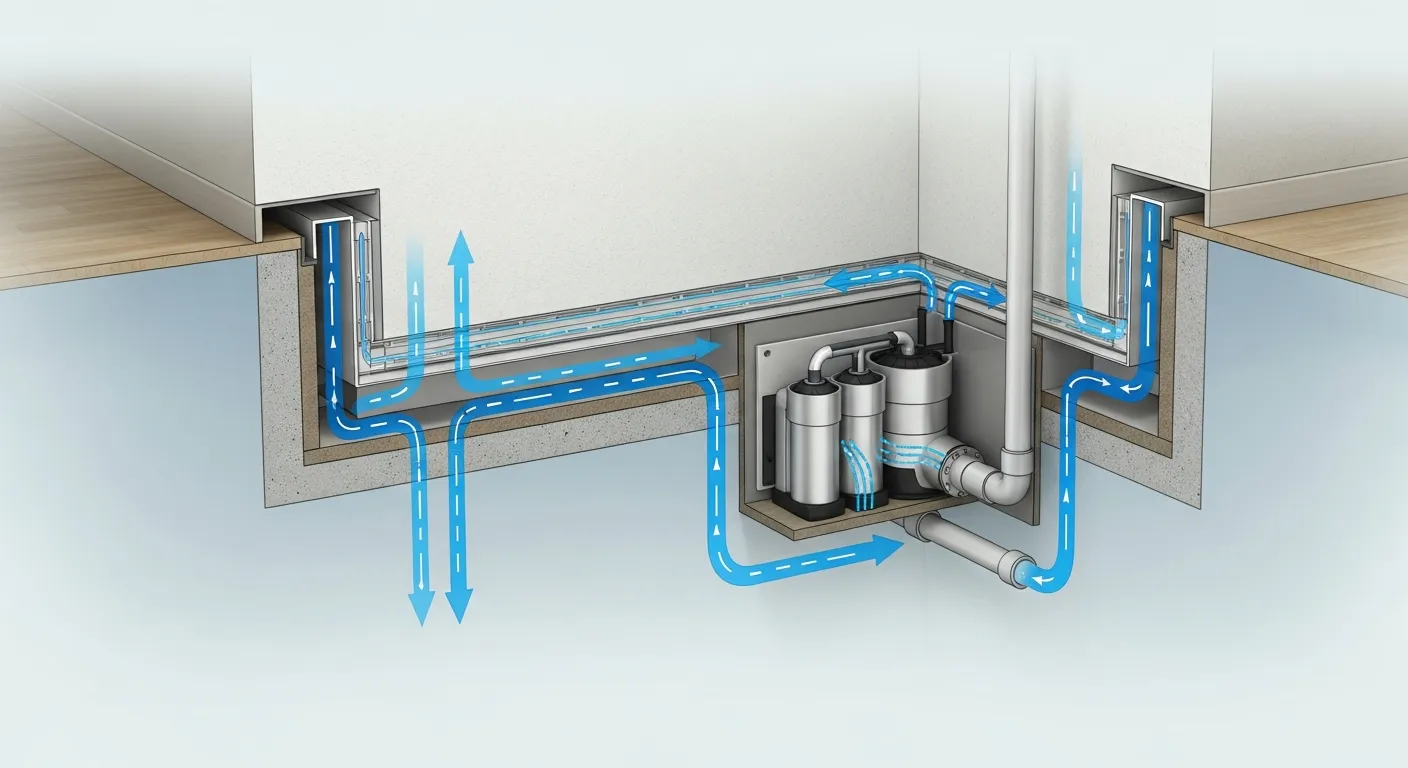
Understanding how water enters your basement helps you choose the right solution. In the tri-state region of South Dakota, Wyoming, and Nebraska, several factors work together to push water toward your foundation.
Hydrostatic Pressure: When the soil around your foundation becomes saturated, it creates immense force that pushes water against your basement walls and up through the floor. This is the most common cause of basement leaks and is especially prevalent during spring snowmelt.
Expansive Clay Soils: Much of eastern South Dakota sits on expansive clay soils that swell dramatically when wet and shrink when dry. Wyoming’s bentonite clay is among the most expansive in the country, making waterproofing critical for homeowners in Casper, Gillette, and Sheridan.
The Wall-Floor Joint: The most common entry point for basement water is the cove joint, where the basement floor meets the wall. Because the floor and wall are poured at different times, there is a natural gap that water exploits under pressure. Most wet basement complaints trace back to this joint.
Foundation Cracks: Over time, concrete foundations develop cracks from settling, soil pressure, freeze-thaw cycles, and normal aging. Horizontal cracks are particularly concerning because they indicate significant lateral soil pressure against the wall.
Poor Exterior Drainage: Clogged gutters, short downspout extensions, and improper grading all direct water toward your basement. In Nebraska’s panhandle, where sandy soils erode quickly, poor drainage can rapidly undermine foundation stability.
High Water Table: Homes near rivers, lakes, or in low-lying areas may sit above a naturally high water table. Communities along the Missouri River and in Sioux Falls’ Big Sioux River watershed are particularly susceptible.
Seasonal Factors: Spring (March through May) is peak season for basement water problems. Rapid snowmelt combined with spring rains saturates frozen ground, creating maximum hydrostatic pressure. Homeowners in Sioux Falls, Rapid City, Casper, and Pierre typically see the most water intrusion during this period.
What Happens When You Ignore Water in Your Basement
Many homeowners assume a little water in the basement is not a big deal. But even minor, recurring moisture causes serious problems over time:
- Foundation damage: Persistent water erodes concrete, corrodes rebar, and accelerates foundation deterioration. What starts as a seepage problem can lead to major structural repairs.
- Mold and health risks: Damp basements are breeding grounds for mold, mildew, and dust mites. The EPA estimates that up to 50% of indoor air comes from below-grade spaces.
- Property value loss: A wet basement is one of the top deal-breakers for home buyers. In South Dakota, sellers are required to disclose known water intrusion issues.
- Damaged belongings: Furniture, stored items, appliances, and finished spaces in basements are all at risk.
- Higher energy bills: Moisture in the basement increases humidity throughout the home, forcing your HVAC system to work harder.
Proven Solutions for Water in Your Basement
The good news: basement water problems are solvable with the right approach. At Blackburn Foundation Repair, we have been protecting homes across South Dakota, Wyoming, and Nebraska since 1992 using patented, warrantied systems designed specifically for this region’s challenges.
Our WaterGuard sub-floor drainage system:
- Sits on top of the footing to avoid the mud and debris that clogs other systems
- Has a special wall flange that captures seeping wall water and directs it to the drain
- Rear perforations capture water rising from below the floor
- Patented in the United States, Canada, and the United Kingdom
- Winner of the CQIA Innovation Prize for design excellence
The WaterGuard system, combined with a TripleSafe sump pump, provides comprehensive basement waterproofing for any home in the tri-state region.
TripleSafe Sump Pump System:
- Primary pump: Powerful Zoeller cast-iron pump handles normal water flow
- Secondary pump: Activates automatically if the primary fails or is overwhelmed
- Battery backup pump: Keeps working during power outages common in the tri-state region
- Includes WaterWatch alarm, SuperLiner sump liner, and airtight cover
Wall Crack Repair: The FlexiSpan wall crack repair system uses a flexible sealant that moves with the wall, backed by a foam drainage layer that directs moisture into your drainage system.
Dehumidification: The SaniDry Sedona dehumidifier is Energy Star rated and removes up to 100 pints of water per day while filtering particles down to 2 microns, including mold spores.
When to Call a Professional
Some basement moisture issues are simple fixes, like extending a downspout or regrading soil. But you should call a professional when you see:
- Recurring water after every rain or snowmelt event
- Water seeping through the wall-floor joint or floor cracks
- Cracks in foundation walls, especially horizontal or stair-step patterns
- Bowing, leaning, or bulging basement walls
- Persistent musty odors or visible mold despite cleaning
- An existing sump pump that runs constantly or fails to keep up
- Any water intrusion in a finished basement
These signs indicate problems that require professional-grade solutions, not DIY patches. A trained design specialist can assess the root cause during a free inspection and recommend the right system for your situation.
Why Blackburn Foundation Repair
Since 1992, Blackburn Foundation Repair has protected thousands of homes across South Dakota, Wyoming, and Nebraska. Here is why homeowners trust us:
- 30+ years of local expertise from four locations in Hartford/Sioux Falls, Spearfish, Casper, and Pierre
- Certified dealer for Basement Systems and Foundation Supportworks
- Patented products including WaterGuard, TripleSafe, and FlexiSpan
- Lifetime transferable warranties on all major installations
- BBB A+ Rating and winner of the 2025-2026 Aspen Award
- Free inspections and estimates with no obligation
- Financing available through GreenSky, including interest-free options
Frequently Asked Questions About Basement Water
What are the first signs of water in a basement?
How does water get into my basement?
Is a small amount of water in my basement a big deal?
Can I fix a wet basement myself?
What is the best way to stop water from coming into my basement?
How long does basement waterproofing take to install?
Does homeowners insurance cover water in the basement?
Why is my basement wet only in spring?
Can water in my basement damage the foundation?
Who should I call for water in my basement?
How long does a basement waterproofing system last?
Do you serve my area in South Dakota, Wyoming, or Nebraska?
Schedule Your Free Basement Inspection
Do not wait for a small water problem to become a major foundation issue. Blackburn Foundation Repair offers free, no-obligation inspections for homeowners throughout South Dakota, Wyoming, and Nebraska. Our design specialists will identify the source of your basement water, explain your options, and provide a detailed written estimate.
Free Estimate!
Basement Waterproofing Services
Testimonials
Blackburn Foundation Repair
Service Area
Sioux Falls, SD
Our primary service hub covering the greater Sioux Falls metropolitan area and surrounding communities.
Spearfish, SD
Serving the Black Hills region with comprehensive services for residential and commercial clients.
Casper, WY
Pierre, SD
Serving central South Dakota from our Pierre office with reliable foundation and waterproofing services.